Invited Speaker
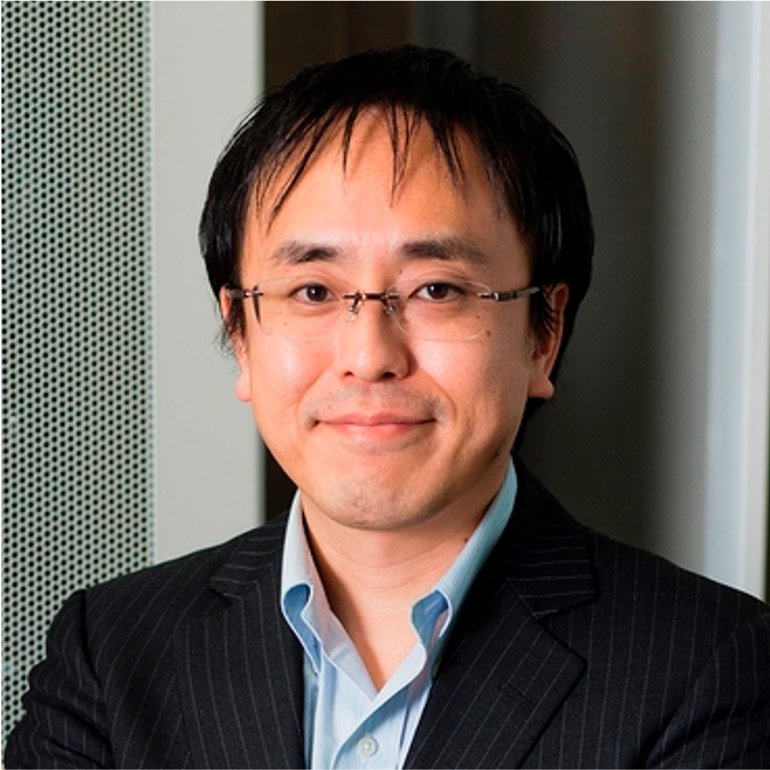
Prof. Kazuaki Inaba
Department of Transdisciplinary Science and EngineeringInstitute of Science Tokyo, Japan
Speech Title: Numerical Investigation of Bubble Collapse-Induced Impact and Damage Mechanisms on Thin Solid Plates Near Fluid Interfaces
Abstract: Bubble collapse near solid boundaries can generate highly localized impact loads that lead to material damage. In many practical systems, the structure is not a semi-infinite solid but a thin plate, and its response is influenced by the boundary condition behind the wall. In this study, the collapse of a single gas bubble near a thin solid plate is investigated using numerical simulations. The model consists of a compressible fluid (water or mercury), a gas bubble, and an elastoplastic solid plate, coupled through fluid–structure interaction. Bubble collapse is induced by an incident shock wave, and the resulting pressure, stress, and plastic strain in the plate are evaluated. The results show that bubble collapse generates localized pressure peaks on the wall surface, leading to significant plastic deformation. The magnitude and spatial distribution of the deformation depend on the backing condition of the plate. Compared with a transmissive boundary, a void region behind the plate increases deformation and modifies the damage pattern. In addition, differences between water and mercury are observed. Mercury produces higher and longer pressure pulses, resulting in more localized loading. These results indicate that the impact load and resulting damage cannot be evaluated assuming a semi-infinite solid, and that both structural configuration and fluid properties must be considered.
Biography: Kazuaki Inaba is a Professor at the Institute of Science Tokyo, Japan. His research focuses on multiphysics engineering, particularly fluid–structure interaction (FSI), cavitation, cavitation erosion, water hammer, and fluid-induced dynamic phenomena. He develops experimental, numerical, and data-driven approaches to investigate complex interactions among fluids, structures, and materials. His research also covers smart prototyping by integrating engineering mechanics, artificial intelligence, and advanced 3D printing technologies. In addition, he studies the mechanics of advanced materials, including impact energy absorption structures, metal foams, composite materials, pressure-sensitive adhesives, and other soft materials. More recently, his research has expanded to human-centered engineering by applying mechanics and multiphysics approaches to biomedical systems, including cataract surgery and diaphragm mechanics.